
Author: Alan B. Densky

Most pistol training takes place under controlled conditions. The shooter knows where the target is. He knows when the drill will begin, and usually knows exactly what he is expected to do. The instructor may add movement, time pressure, or decision-making. However, the student still knows they are participating in a training exercise. It is all in preparation for when pistol training is put to the test.
However, a real-life emergency provides none of those advantages. Nobody gives a start signal. Innocent people may run in every direction. Information may be incomplete. And the armed citizen may have only seconds to determine what is happening and whether they should act. On August 1, 2026, Jordan Salinas had his pistol training put to the test. He faced exactly that kind of test during a mass shooting at an In-N-Out Burger in Twin Falls, Idaho.
Three people died and several others suffered injuries during the attack. Authorities later praised people who confronted or distracted the gunman and said their actions likely prevented additional casualties. What interests me as a firearms instructor, however, is not simply that Salinas had a firearm. More importantly, he had trained before the day came when training mattered.
He Didn't Start Training After the Attack
According to published accounts, Salinas began taking firearms training much more seriously after witnessing the aftermath of the 2021 Boise Towne Square Mall shooting. Afterward, he regularly practiced with his firearm and also rehearsed a decision-making process familiar to many defensive-training instructors: Observe, Orient, Decide and Act—the OODA Loop.
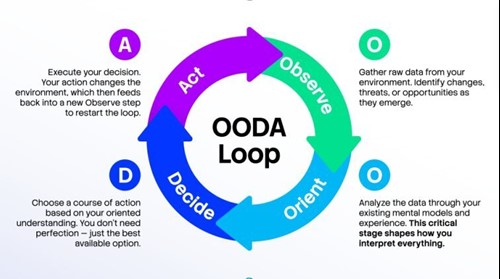
In simple terms, the OODA Loop describes the process of seeing what is happening, understanding what that information means, making a decision, and acting on that decision. Although the concept can become much more detailed, an armed citizen does not need an academic lesson in OODA theory to benefit from it. Instead, they need defensive pistol training that requires them to observe, think, make decisions, and then act appropriately.
That distinction matters. Under extreme stress, people rarely become more capable than their preparation. Instead, they tend to rely on habits, skills, and decision-making patterns they developed beforehand. Therefore, the purpose of defensive pistol training cannot stop at teaching someone how to operate a handgun accurately.
Shooting Is Only Part of the Problem
A person who carries a defensive handgun may develop an excellent draw and shoot tight groups at defensive distances. Those skills matter, and responsible firearms instructors should build them. However, before an armed citizen has their pistol training put to the test, they may need to solve several much more complicated problems.
First, what is actually happening? Next, who is the threat? Is the person holding a firearm the attacker, an off-duty police officer, another armed citizen, or someone who picked up a weapon after the original attacker dropped it? Meanwhile, where are the innocent people, what lies behind the intended target, and does the armed citizen actually need to become involved?
A paper target never creates those problems. It never suddenly becomes nonthreatening, produces a different weapon, moves toward an innocent person, or turns out to be the wrong person. Consequently, shooting accurately represents only one part of defensive firearms competence.
Effective defensive pistol training should force students to process information rather than automatically fire whenever they see a target. Therefore, instructors can require students to identify threats, recognize non-threats, make decisions, and understand that sometimes the correct decision is not to shoot at all.
The Serious Risk of Becoming Involved
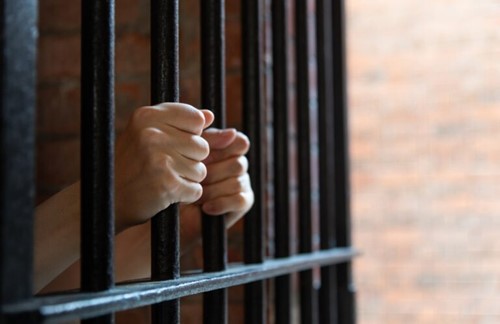
We would be remiss if we discussed this incident without addressing one of the most important lessons for every armed citizen: intervening in a third-party confrontation carries enormous risk.
You are not a police officer simply because you carry a firearm and know how to use it. Or simply because you've received concealed carry training for a concealed weapon's permit. You may shoot well, think clearly under pressure, understand defensive tactics, and possess considerably more training than the average gun owner. Nevertheless, that does not mean you have received the extensive law-enforcement training a police officer receives, nor do you automatically receive the legal protections that may apply when officers act within their official duties.
Furthermore, when you enter someone else's violent confrontation, you may not know what happened before you arrived. You may misidentify the aggressor, misunderstand what you see, or fail to recognize another important part of the event. Likewise, another armed citizen or a responding police officer may mistake you for the attacker.
Then Comes the Legal Aftermath
Then comes the legal aftermath. Depending on the circumstances and the law in that jurisdiction, a third-party intervention can expose an armed citizen to an investigation, arrest, criminal charges, or prosecution. If authorities or a court determine that the use of force was unlawful, the consequences can include jail or prison. Moreover, even when prosecutors ultimately file no charges or the armed citizen prevails, attorney fees and other legal expenses can become enormous.
Civil litigation creates another danger. An attacker, an attacker's family, an injured bystander, or another involved party may attempt to bring a civil lawsuit depending on the circumstances and applicable law. Some states provide significant statutory protections for justified defensive force, while other states provide different protections. Consequently, anyone who carries a firearm should understand the laws governing defense of another person in the state where they live and train.
The takeaway should not be that an armed citizen must never help another person. Instead, the lesson is that either openly carrying a pistol, or carrying concealed gives you capability as well as culpability, not police authority or immunity. The decision to enter a third-party deadly-force encounter may become one of the most consequential decisions you ever make.
Defensive Pistol Training Must Include Decision-Making
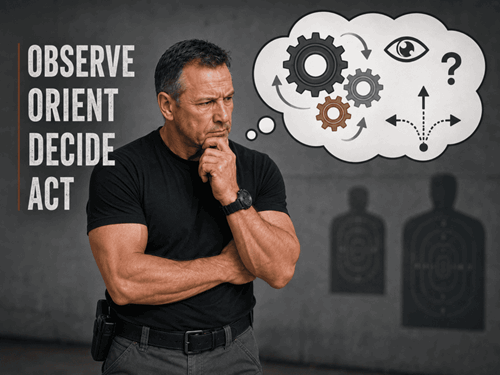
This is where defensive pistol training must go beyond conventional marksmanship. Students should sometimes encounter exercises in which the target in front of them does not automatically require shooting. They should have to recognize what is happening, evaluate the circumstances, and choose an appropriate response.
Likewise, instructors should expose students to changing situations rather than always giving them a predictable sequence of commands. A student who only practices drawing and firing after hearing a timer can become very good at reacting to a timer. Real defensive encounters, however, seldom provide such obvious instructions.
Consequently, the instructor's goal should not simply be to program a faster physical response. The larger objective is to develop an armed citizen who can observe a rapidly changing situation, make a defensible decision, and then execute the physical skills required by that decision. Marksmanship remains essential, but judgment determines when those shooting skills should actually come into play.
Knowing When Your Job Is Finished
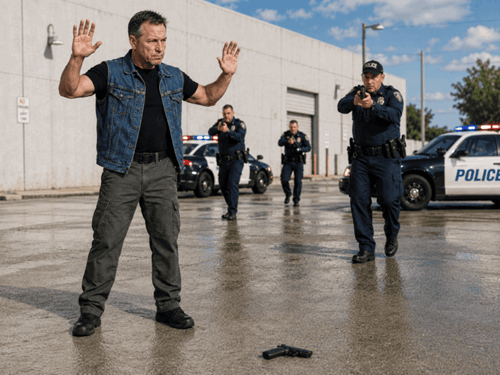
Another critical lesson comes after an armed citizen decides to intervene. Eventually, responding law-enforcement officers will arrive, and they may have incomplete information about who fired which shots. Police responding to an active shooting can enter an extraordinarily confusing environment filled with victims, witnesses, armed citizens, discarded weapons, and conflicting reports.
Therefore, before a trained citizen's pistol training is put to the test, an armed person must understand that the situation changes dramatically once law enforcement takes control. Continuing to move through the scene with a firearm can create another deadly misunderstanding. Accordingly, the same decision-making skills that helped someone recognize when action became necessary should also help them recognize when their role has ended.
That point receives too little attention in ordinary firearms training. Students spend enormous amounts of time learning when and how to shoot. Defensive pistol training must also address when to stop, when to disengage, and how the arrival of law enforcement changes the situation.
What Will You Fall Back On?
Nobody can know with certainty how they will perform during a genuine life-threatening emergency. No training exercise can perfectly duplicate the confusion, fear, noise, and consequences of an actual attack. Nevertheless, the Twin Falls shooting gives armed citizens and firearms instructors an important question to consider.
Salinas had chosen to train long before the shooting occurred. His preparation included firearms skills, but it also included a process for observing circumstances, understanding them, deciding what to do, and acting on that decision. When the emergency came, authorities said the actions of people who confronted or distracted the attacker likely prevented additional casualties.
That does not mean every armed citizen should move toward gunfire or intervene whenever another person faces danger. In fact, the potential criminal, civil, financial, and physical consequences provide powerful reasons to think very carefully before entering someone else's deadly-force encounter.
Instead, the larger lesson is simple: the middle of a deadly emergency is a terrible time to discover what your training never prepared you to do.
Pistol training should prepare a student to operate and shoot a handgun competently. Defensive pistol training must go further. It should prepare them to observe, think, decide, act responsibly—and recognize when the right decision is not to act at all.
That is when pistol training is truly put to the test.
Share this post: